

4 Common EV Myths—And Why They're Wrong
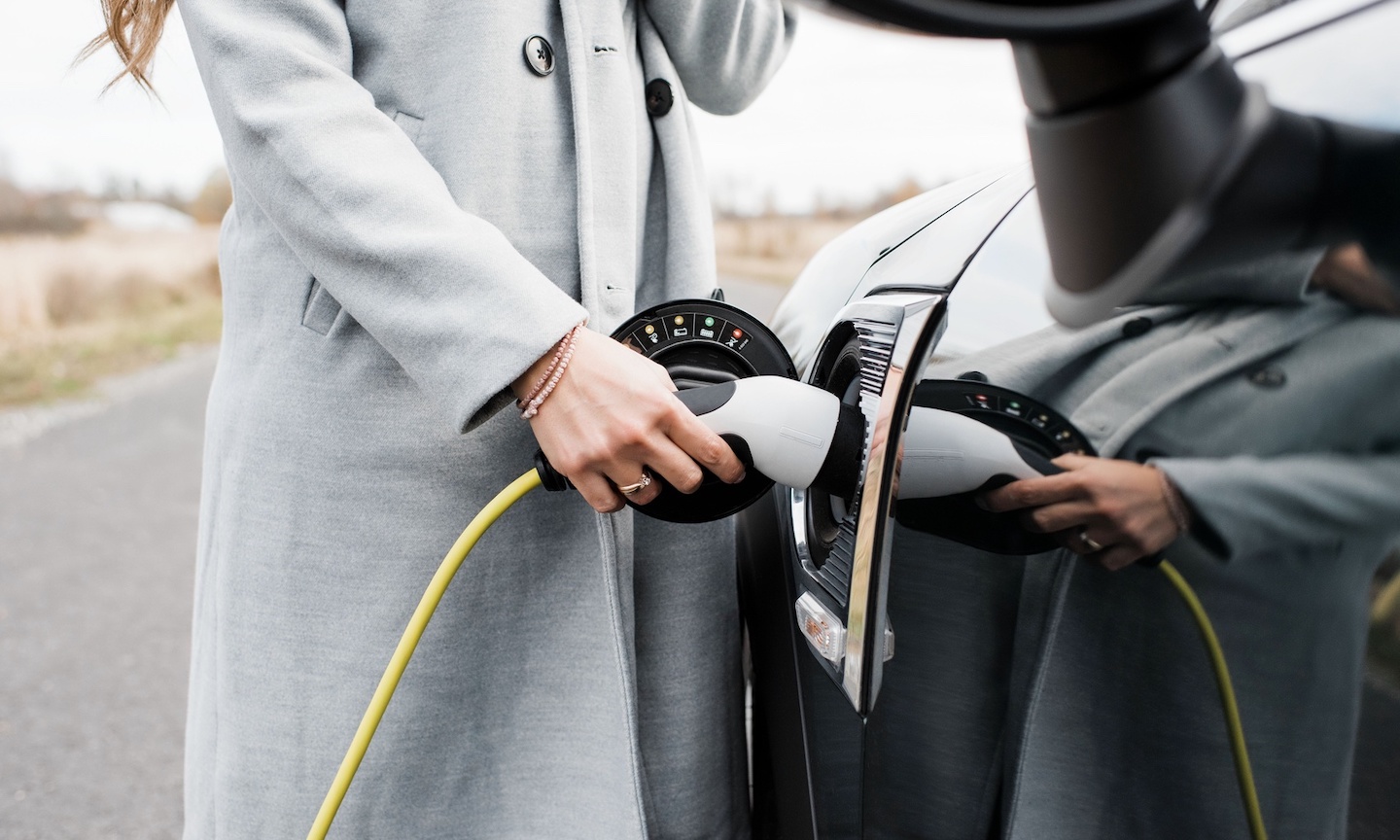
Electric vehicles are on the rise, with nearly every major automaker now offering or planning electric cars, trucks, and SUVs. As this shift continues, some misconceptions about owning an EV still linger. The Apple Tree Acura team is here to clarify a few common myths about electric vehicles so you can decide whether an EV fits your driving needs and lifestyle.
1. EVs are just for eco-conscious buyers
While electric vehicles are often associated with sustainability, that’s no longer the primary reason many drivers choose them. Today’s EV buyers are just as motivated by performance, convenience, and lower ownership costs as they are by environmental benefits.
Electric vehicles deliver instant torque, smooth acceleration, and a quiet driving experience that appeals to a wide range of drivers, from luxury shoppers to budget-focused commuters. EVs also convert about 75 percent of stored energy into usable power, compared to roughly 20 percent for gasoline-powered vehicles, making them more efficient overall.
In addition, EVs produce zero tailpipe emissions, which helps reduce local air pollution. While battery production does require energy, studies continue to show that over the full lifecycle of ownership, electric vehicles generate fewer overall emissions than comparable gas-powered vehicles. For many buyers, the appeal of EVs goes far beyond environmental impact alone.
2. Charging isn’t widely available
Public EV charging has expanded rapidly since 2023. The U.S. now has hundreds of thousands of public charging ports nationwide, including a growing number of fast-charging stations along major highways and travel corridors.
Most plug-in hybrid vehicles can recharge using a standard household outlet, and fully electric vehicles can also use this method when needed. Many EVs now include built-in navigation tools that automatically locate nearby charging stations, making it easier than ever to plan both daily driving and longer trips.
3. EVs don’t have enough range
Range anxiety was a valid concern years ago, but EV range has advanced significantly. As of 2026, the average range for new electric vehicles exceeds 300 miles on a single charge, with many models offering well over that. Some premium and long-range models now approach or surpass 400 miles, depending on configuration.
For most drivers, this easily covers daily commuting, errands, and weekend travel without frequent charging. Drivers who want added flexibility can also consider plug-in hybrid electric vehicles (PHEVs), which allow short trips on electric power while retaining a gasoline engine for longer drives.

4. EVs cost too much
Electric vehicle pricing has become more competitive as more models enter the market across luxury, mid-tier, and economy segments. In addition, EVs typically cost less to maintain than gasoline vehicles due to fewer moving parts and reduced service needs, such as no oil changes.
Over time, many drivers find the total cost of ownership to be comparable to or lower than that of traditional vehicles, especially when factoring in reduced maintenance and fuel costs.
Electric vehicles are here to stay, and the Apple Tree Acura team is ready to help you explore your options. EV ownership may not be right for everyone, but if you think it could be right for you, contact our team online today. We’re happy to answer your questions and help you find the vehicle that best fits your lifestyle.